

Chateau Pomeaux is located on the southeastern slope of the Pomerol plateau, near the border of the communes of Pomerol and St. Emilion. Some of the world’s finest wine properties are neighbors of Chateau Pomeaux, whose vineyards are located approximately two kilometers from Chateau Petrus, one kilometer from Chateau Le Pin and Vieux Chateau Certan, and one-half kilometer from Chateau Cheval Blanc and Chateau Figeac.
Our wines are available exclusively direct from the property. We are proud to be the only Pomerol family estate that releases its wines after a minimum of six years of ageing, ensuring maturity and optimal drinking expression.
The vineyards of Chateau Pomeaux were historically part of Chateau Taillefer. Chateau Taillefer is one of the oldest properties in the Pomerol appellation, dating back to at least 1785.
Its chateau was built in the early 19th Century, and its vineyards were once the most extensive in Pomerol.Chateau Taillefer was the first Pomerol property purchased by the Moueix family.
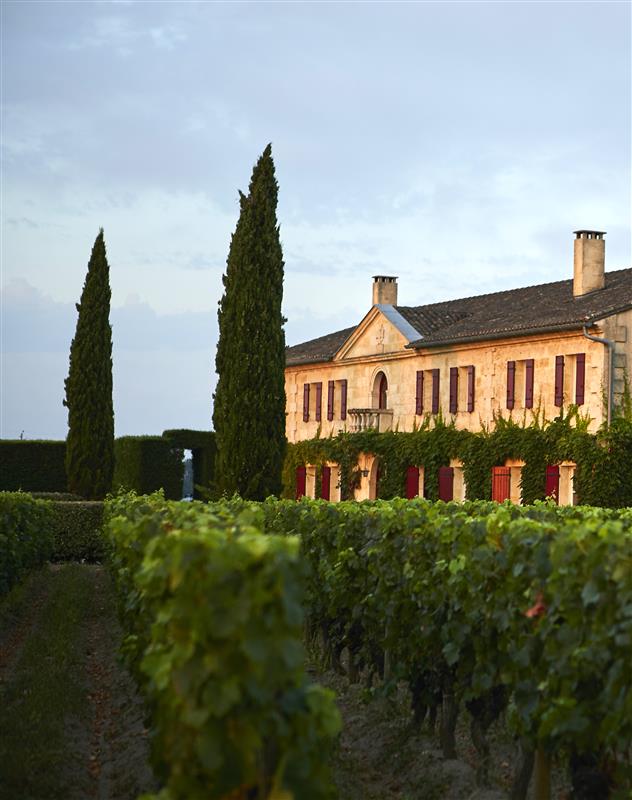
Chateau Pomeaux was purchased by its current owner in 1998 from a member of the famous Moueix family, owners of Chateau Taillefer, Chateau La Tour a Pomerol, and other important wine estates in Bordeaux and California.
Since its acquisition by its current owner, Chateau Pomeaux has been a small independent producer, with a focus on maximum quality over quantity.
The vineyards of Chateau Pomeaux were historically part of Chateau Taillefer. Chateau Taillefer is one of the oldest properties in the Pomerol appellation, dating back to at least 1785. Its chateau was built in the early 19th Century, and its vineyards were once the most extensive in Pomerol.
Chateau Pomeaux was purchased by its current owner in 1998 from a member of the famous Moueix family, owners of Chateau Taillefer, Chateau Petrus, Chateau Trotanoy, Chateau Lafleur-Petrus, Chateau Hosanna, Chateau Lagrange, Chateau La Tour a Pomerol, and other important wine estates in Bordeaux and California.
Chateau Taillefer was the first Pomerol property purchased by the Moueix family. Since its acquisition by its current owner, Chateau Pomeaux has been a small independent producer, with a focus on maximum quality over quantity.
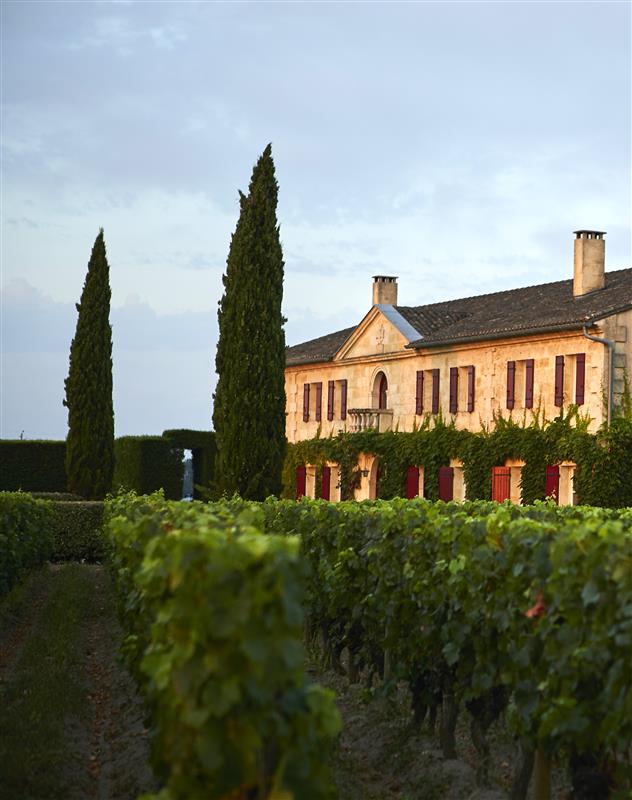
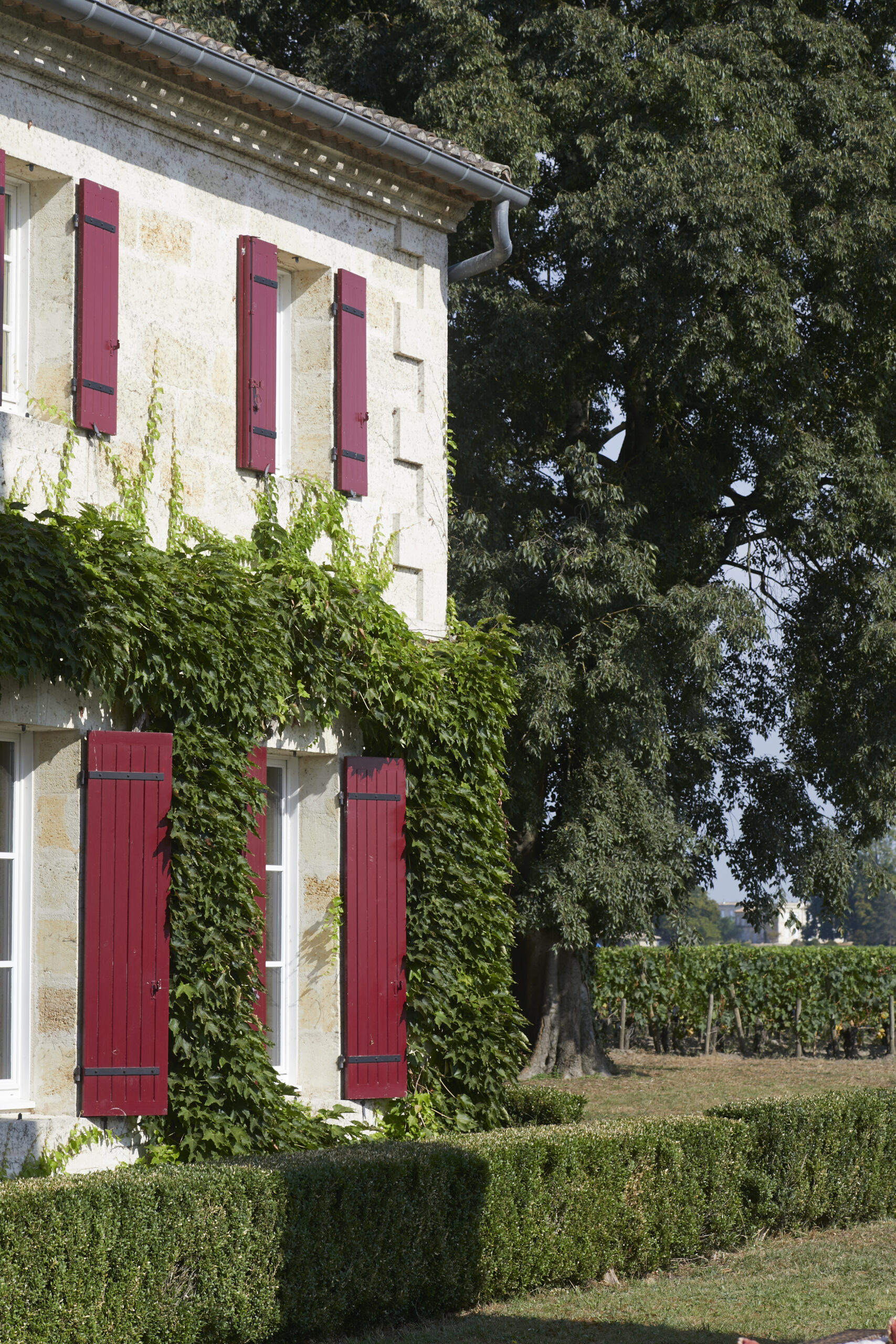
Chateau Pomeaux consists of 2.2+ hectares of prime vineyards, a beautiful and charming chateau, and a world-class winery located in a magnificent situation in Pomerol. Chateau Pomeaux’s vines, which are 100% Merlot Noir, average 45 years of age. Chateau Pomeaux’s soil is a combination of gravel, clay, and ferruginous sand with iron-pan and clay in the subsoil. Chateau Pomeaux’s vineyards are maintained in a meticulous manner, its grapes are grown and harvested using an optimum combination of traditional and modern techniques, and its wines are vinified and aged to achieve the highest quality possible.
Chateau Pomeaux benefits from an exceptional location on the southern slope of the Pomerol plateau, nestled on a south-facing slope of gravel with a clay and iron subsoil. Other famous Pomerol producers that share this superb location include Chateau Petrus, Chateau Le Pin, and Vieux Chateau Certain. Other prestigious neighbors include Chateau Cheval Blanc and Chateau Figeac.
The most important factor in producing great wine is terroir. This French term encompasses all the factors in the growing environment that determine how well a vine performs.
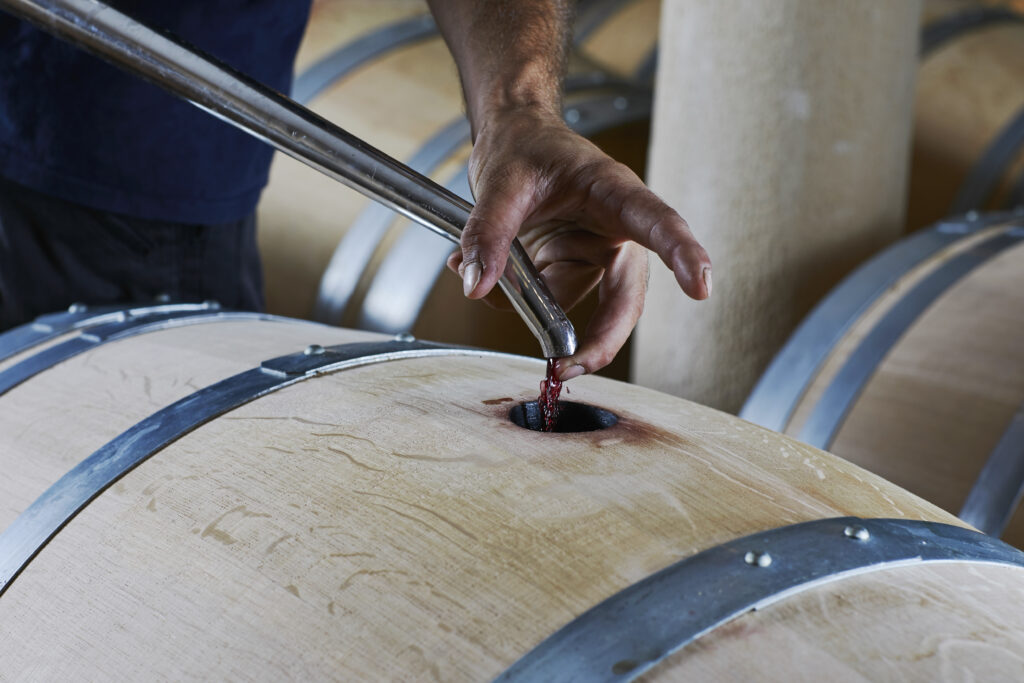
Components of terroir include climate, soil, aspect, slope, and grape variety. Chateau Pomeaux benefits from outstanding terroir. Bordeaux in general and Pomerol in particular possess the ideal climate for red wine grape cultivation.
Abundant sunshine, adequate but moderate rainfall, and the proximity of Bordeaux to the Atlantic Ocean provide a perfect Maritime climate for growing red wine grapes. The south-facing vineyards of Chateau Pomeaux sit on a rich gravel slope, with clay and iron subsoil.
These elements are highly favorable to the cultivation of Merlot Noir grapes and help the grapes to achieve optimum ripeness and concentration. Chateau Pomeaux’s vines have been cultivated organically and biodynamically since 2001.
The other important factor in producing great wine is the influence of man. Since Chateau Pomeaux was founded, its owners have been committed to using the best viniculture and winemaking techniques to produce the highest quality wine, consistently sacrificing quantity for higher quality. This results in more mature and expressive grapes, with complex and elegant flavors that can be appreciated in Chateau Pomeaux’s wines,
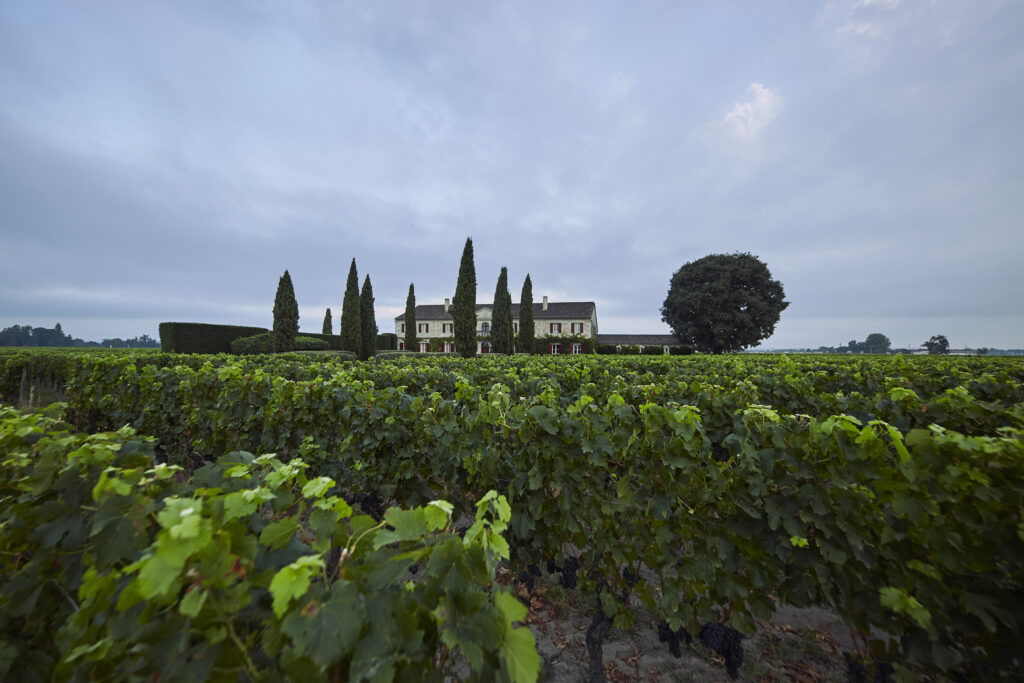
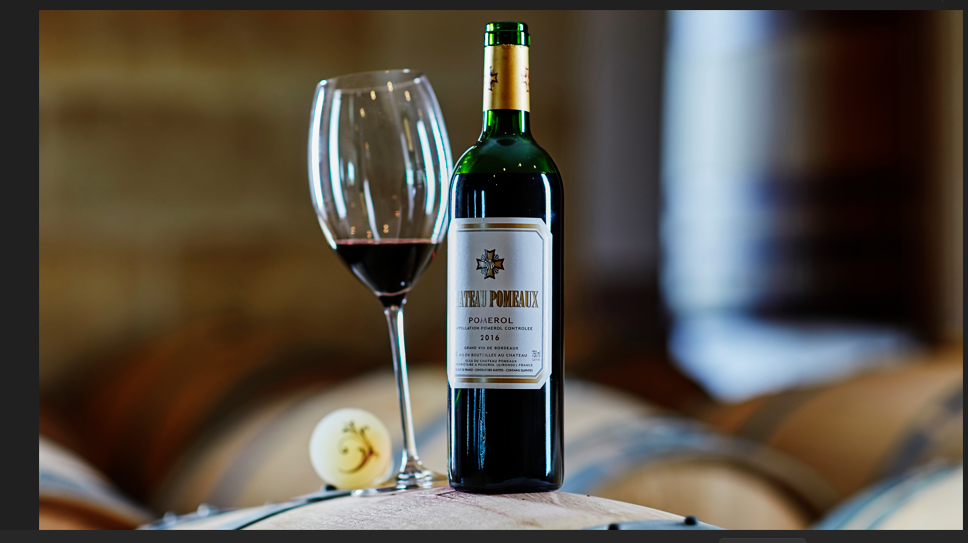
Chateau Pomeaux consists of 2.2+ hectares of prime vineyards, a beautiful and charming chateau, and a world-class winery located in a magnificent situation in Pomerol. Chateau Pomeaux’s vines, which are 100% Merlot Noir, average 45 years of age. Chateau Pomeaux’s soil is a combination of gravel, clay, and ferruginous sand with iron-pan and clay in the subsoil. Chateau Pomeaux’s vineyards are maintained in a meticulous manner, its grapes are grown and harvested using an optimum combination of traditional and modern techniques, and its wines are vinified and aged to achieve the highest quality possible.
Chateau Pomeaux benefits from an exceptional location on the southern slope of the Pomerol plateau, nestled on a south-facing slope of gravel with a clay and iron subsoil. Other famous Pomerol producers that share this superb location include Chateau Petrus, Chateau Le Pin, and Vieux Chateau Certain. Other prestigious neighbors include Chateau Cheval Blanc and Chateau Figeac.
The most important factor in producing great wine is terroir. This French term encompasses all the factors in the growing environment that determine how well a vine performs. Components of terroir include climate, soil, aspect, slope, and grape variety. Chateau Pomeaux benefits from outstanding terroir. Bordeaux in general and Pomerol in particular possess the ideal climate for red wine grape cultivation. Abundant sunshine, adequate but moderate rainfall, and the proximity of Bordeaux to the Atlantic Ocean provide a perfect Maritime climate for growing red wine grapes. The south-facing vineyards of Chateau Pomeaux sit on a rich gravel slope, with clay and iron subsoil. These elements are highly favorable to the cultivation of Merlot Noir grapes and help the grapes to achieve optimum ripeness and concentration. Chateau Pomeaux’s vines have been cultivated organically and biodynamically since 2001.
The other important factor in producing great wine is the influence of man. Since Chateau Pomeaux was founded, its owners have been committed to using the best viniculture and winemaking techniques to produce the highest quality wine, consistently sacrificing quantity for higher quality. This results in more mature and expressive grapes, with complex and elegant flavors that can be appreciated in Chateau Pomeaux’s wines,
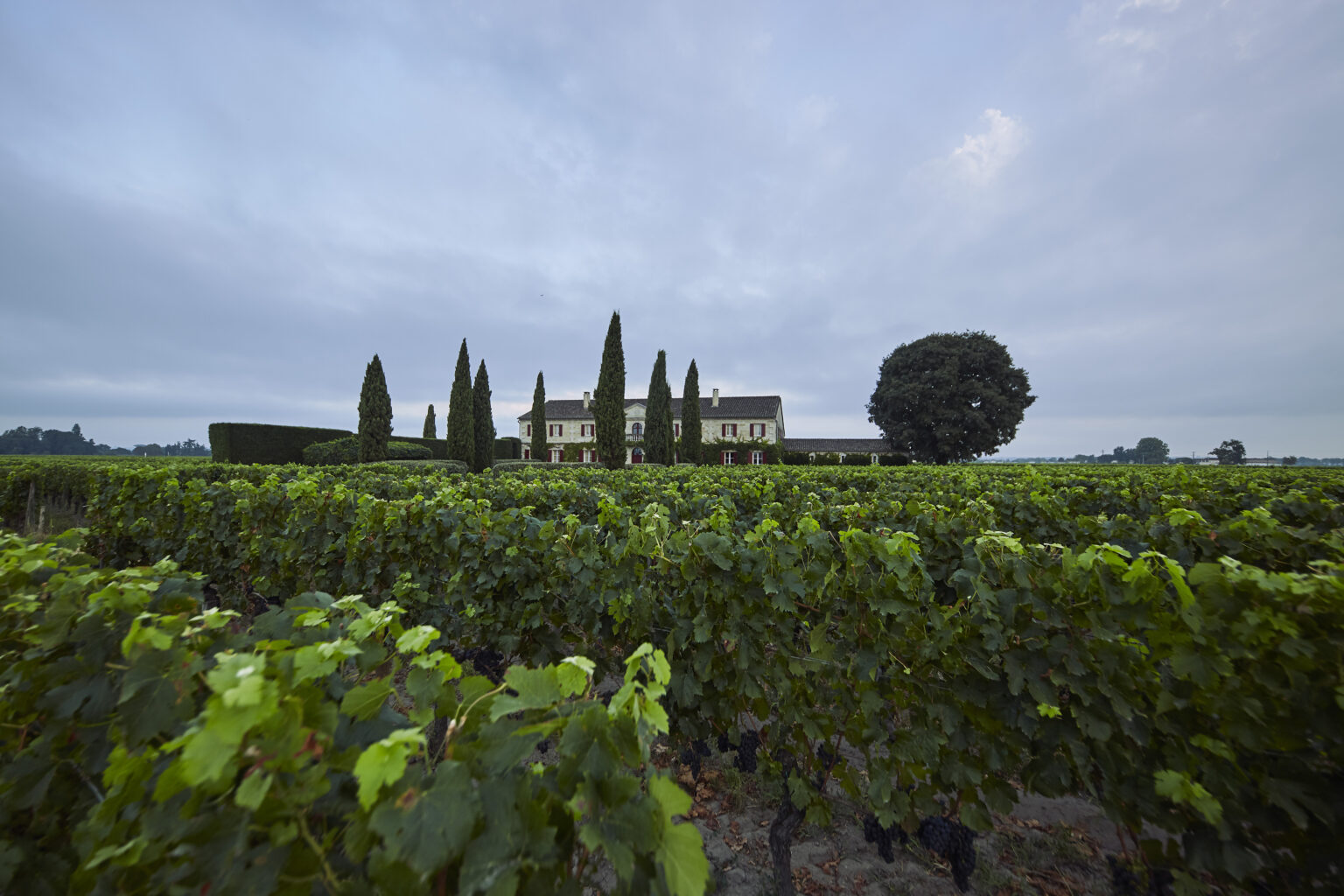
Merlot is the only grape variety planted at Chateau Pomeaux. The average age of Chateau Pomeaux’s vines is 45 years, meaning they can produce intense and complex grapes and wines. Chateau Pomeaux’s vines are planted at 6,600 per hectare and spaced 1.5 metres apart. Grapes are hand-picked and meticulously selected to ensure only the best fruit is used.
Chateau Pomeaux employs rigorous double guyot pruning, green harvests, late picking to ensure optimum maturity, meticulous hand picking, and careful selection. The grapes that survive this intensive selection process are subjected to temperature-controlled maceration and fermentation in large oak tanks, lengthy periods of malolactic fermentation in small new oak barrels, scrupulous vinification, and extended aging in new oak barrels.
Since 2001, Chateau Pomeaux’s 2.2+-hectares of vines have been organically and biodynamically cultivated and harvested, using only non-chemical fertilizers and pest control.
This emphasis on quality means that Chateau Pomeaux produces an average of only 8,500 bottles of ultra-high quality wine annually, making its wine truly exclusive.
Chateau Pomeaux’s dedication to ultimate quality begins in its vineyards. Only the best varieties of Merlot Noir grapes are planted at Chateau Pomeaux. Chateau Pomeaux employs rigorous single guyot pruning, green harvests, late picking to ensure optimum maturity, meticulous hand picking, and careful selection.
The combination of magnificent terroir and the decision of Chateau Pomeaux’s owner to sacrifice quantity for exceptional quality results in wines of supreme character and elegance.
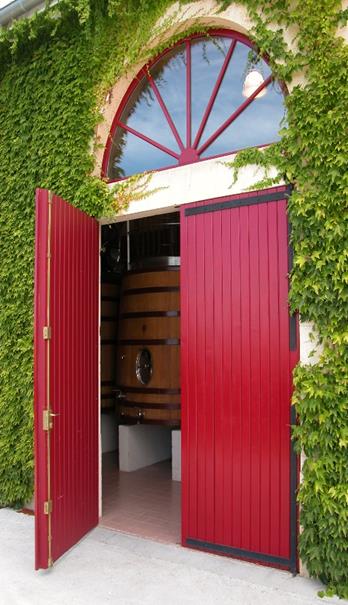
The harvest does not commence at Chateau Pomeaux until the grapes achieve maximum overall maturity. Chateau Pomeaux’s grapes are not picked solely because they have achieved physiological maturity. Instead, Chateau Pomeaux harvests its grapes as late as possible and performs lengthy macerations to enhance color, richness, intensity, and aging ability.
When the optimal harvest date is decided, grapes are picked early in the morning when it is cooler, helping them to remain fresh and retain their flavor. Both hand selection and the latest technology are used to select the best grapes. After the hand selection of grapes from the vines, they are sorted by laser and only those with the desired ripeness are used. Those grapes are then placed on a densimetric sorting table that selects only grapes with the optimal density of water versus sugar.
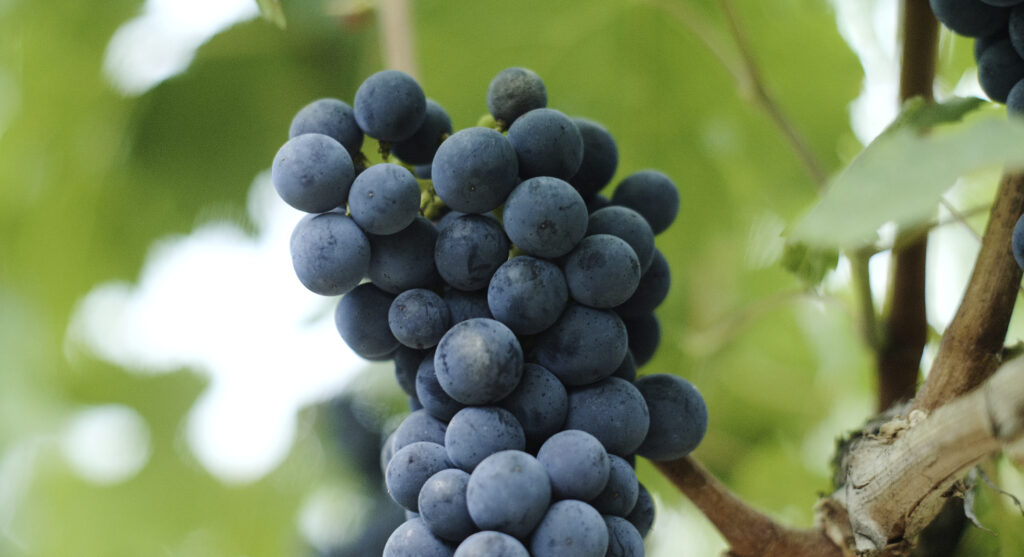
The grapes are then crushed, placed in tanks, and cold soaked with their skins for five days. This enables color and flavor to be extracted before fermentation has begun. A natural yeast is then added to initiate the fermentation process. This takes place in giant round oak tanks for between 3 – 6 weeks. During this time, the grapes’ skins float to the surface and need to be constantly over-pumped and pushed back down into the mixture. After pressing, the wine is then aged in 70% new oak barrels for between 18 months and 2 years, depending on the vintage. The wine is then bottled and aged in bottle to further develop. The end result is a rare Bordeaux wine that is extraordinarily rich and robust with elegant balance and a delicate and marvelous bouquet.
Chateau Pomeaux produces extraordinarily rich and robust wines with elegant balance and a delicate and marvellous bouquet. Chateau Pomeaux’s wines are powerful and rich, bursting with black cherry and plum flavours. They develop truffle, chocolate, and cedar notes over time.
They can be enjoyably consumed when they are young and will benefit further from extended aging. Chateau Pomeaux’s wines have received highly favorable commentary and ratings from leading wine journalists and publications, including Decanter magazine, Wine Spectator, and James Suckling
The 1998 Bordeaux wine vintage did not have an auspicious beginning. Following on the heels of a moderate winter, April and May were cool and moist, lacking sunshine. After an even flowering, in late May and early June. June and July offered little promise, with a shortage of sun and warmth.
But August, with abundant heat and sunshine and temperatures reaching over 100 degrees Fahrenheit in Pomerol for several days, was perfect! These high temperatures and a hailstorm that struck Pomerol in August forced many growers to perform a severe green harvest. That green harvest added to the concentration of many 1998 Pomerol wines. September provided much needed rain and favorable weather, allowing Pomerol vineyards to be picked under splendid conditions.
Stunning, powerful, and sublime wines were produced in Bordeaux in 1998. The best wines of Pomerol in 1998 are superior to those produced by Left Bank and other Right Bank properties. Wines from Pomerol in 1998 are rich, muscular, concentrated, ripe, pure, lush, opulent, and offer hedonistic charms.
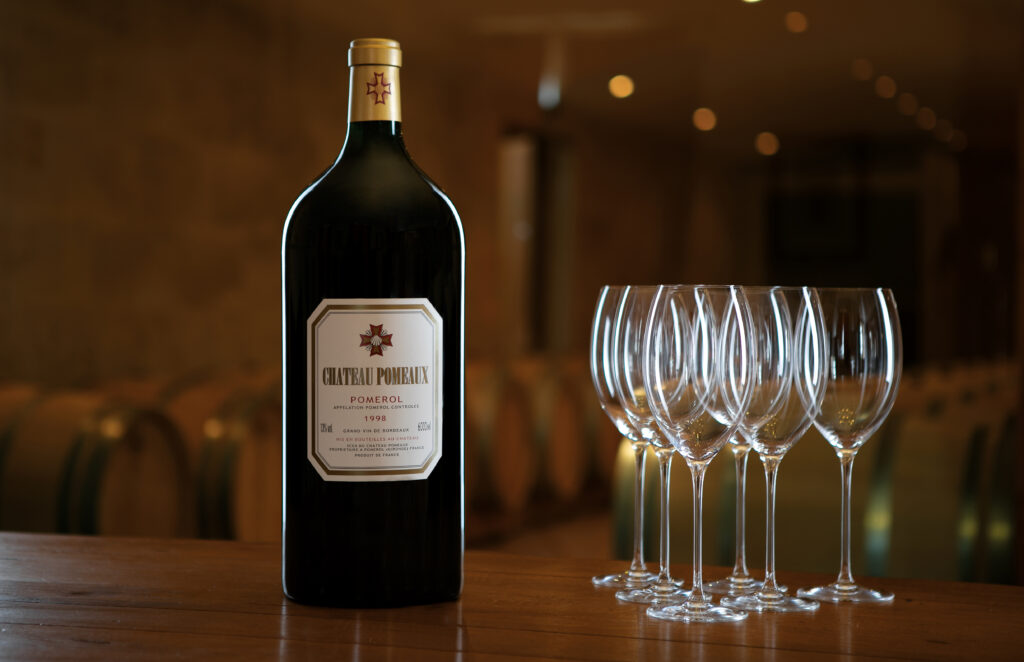
The 1998 vintage of Chateau Pomeaux was harvested in the first week of October 1998 and, after extended aging in new oak barrels, the wine was bottled in September 2000. The 1998 vintage of Chateau Pomeaux has been uniformly praised and is greatly admired for its concentration, opulence, elegance, and balance.
“This vineyard has made a sensational debut with its first harvest! That may not seem difficult, given that the wine is made from pure Merlot grapes grown on a ferruginous gravel and clay soil. Even so, the result is impressive. The very dark color has brown-black glints, and the nose releases a powerful yet subtle combination of red-berry, stewed-cherry and spice aromas, along with notes of mocha, leather and oaky toast (still somewhat dominant). The palate is warm, rich, dense and structured by finely-textured tannins which are still fresh and show that the wine has very good aging potential. After a success like this we await further delights in the vintages to come.”
“Plenty of sweet berry aromas here. Full-bodied and round, with ripe tannins and a sweet fruit aftertaste. Almost outstanding.”
“Very deep and rich nose of coffee and ripe cherry. Full bodied, plenty of round tannins and long finish. Perfect harmony among its structured components.”
“A star is born in Pomerol with the 1998 vintage. Pure merlot grown in furrugineous clay and gravel, matured in new oak barrels. Impressive result.” WINE SPECTATOR
“Good Pomerol. Lots of plum and raspberry aromas with hints of vanilla. Medium-bodied, with well-integrated tannins and a medium finish. Delicious.”
“A wine with soft and silky tannins, fresh berry, plum and cut herbs such as lemon grass. Ready. First vintage from here and delicious.”
“Phenomenal wine. Slightly spicy notes.”
A ferocious hurricane with winds over 120 miles per hour slammed into Bordeaux on December 27, 1998, providing an inauspicious precursor to the 1999 Bordeaux vintage. The first few months of 1999 were normal, but dry. Bud burst occurred during an unusual blast of heat, which was followed by a warm, late spring. However, the climate turned tropical, requiring treatment to avoid the development of mildew.
Flowering took place at a good pace, under normal conditions in late May and early June. The start of the summer was fine, with warm, dry weather for both June and July
August started with over three inches of rain on the Bordeaux vineyards. From that point on, everything was once again developing smoothly until a violent hailstorm devastated numerous vineyards September 5, particularly in St. Emilion where numerous vineyards were forced to start their harvest the following day. Heavy rain fell in September, soaking the vineyards and diluting the grapes. This resulted in a difficult vintage, with high yields, making it hard to produce high quality 1999 Bordeaux wine. But with the improved knowledge of vineyard techniques gained in the decade preceding the 1999 vintage, green harvesting, the willingness to make severe selections in the vineyards and in the cellars, the ability to remove excess water from the wine and concentrate juice, and patience in selecting times for harvesting, it was possible to produce some lovely 1999 Bordeaux wines, particularly in Pomerol.
The 1999 vintage of Chateau Pomeaux was harvested in the last week of September 1999 and, after malolactic fermentation in new small oak barrels and aging in new oak barrels, was bottled in June 2001. The 1999 vintage of Chateau Pomeaux is extraordinarily robust, fruity, powerful, and elegant.
A ferocious hurricane with winds over 120 miles per hour slammed into Bordeaux on December 27, 1998, providing an inauspicious precursor to the 1999 Bordeaux vintage. The first few months of 1999 were normal, but dry. Bud burst occurred during an unusual blast of heat, which was followed by a warm, late spring. However, the climate turned tropical, requiring treatment to avoid the development of mildew. Flowering took place at a good pace, under normal conditions in late May and early June. The start of the summer was fine, with warm, dry weather for both June and July. August started with over three inches of rain on the Bordeaux vineyards. From that point on, everything was once again developing smoothly until a violent hailstorm devastated numerous vineyards September 5, particularly in St. Emilion where numerous vineyards were forced to start their harvest the following day. Heavy rain fell in September, soaking the vineyards and diluting the grapes. This resulted in a difficult vintage, with high yields, making it hard to produce high quality 1999 Bordeaux wine. But with the improved knowledge of vineyard techniques gained in the decade preceding the 1999 vintage, green harvesting, the willingness to make severe selections in the vineyards and in the cellars, the ability to remove excess water from the wine and concentrate juice, and patience in selecting times for harvesting, it was possible to produce some lovely 1999 Bordeaux wines, particularly in Pomerol.
The 1999 vintage of Chateau Pomeaux was harvested in the last week of September 1999 and, after malolactic fermentation in new small oak barrels and aging in new oak barrels, was bottled in June 2001. The 1999 vintage of Chateau Pomeaux is extraordinarily robust, fruity, powerful, and elegant.
Chateau Pomeaux’s dedication to ultimate quality begins in its vineyards. Only the best varieties of Merlot Noir grapes are planted at Chateau Pomeaux. Chateau Pomeaux employs rigorous single guyot pruning, green harvests, late picking to ensure optimum maturity, meticulous hand picking, and careful selection.
The combination of magnificent terroir and the decision of Chateau Pomeaux’s owner to sacrifice quantity for exceptional quality results in wines of supreme character and elegance.
The harvest does not commence at Chateau Pomeaux until the grapes achieve maximum overall maturity. Chateau Pomeaux’s grapes are not picked solely because they have achieved physiological maturity. Instead, Chateau Pomeaux harvests its grapes as late as possible and performs lengthy macerations to enhance color, richness, intensity, and aging ability.
When the optimal harvest date is decided, grapes are picked early in the morning when it is cooler, helping them to remain fresh and retain their flavor. Both hand selection and the latest technology are used to select the best grapes. After the hand selection of grapes from the vines, they are sorted by laser and only those with the desired ripeness are used. Those grapes are then placed on a densimetric sorting table that selects only grapes with the optimal density of water versus sugar.
The grapes are then crushed, placed in tanks, and cold soaked with their skins for five days.
This enables color and flavor to be extracted before fermentation has begun. A natural yeast is then added to initiate the fermentation process.
This takes place in giant round oak tanks for between 3 – 6 weeks. During this time, the grapes’ skins float to the surface and need to be constantly over-pumped and pushed back down into the mixture. After pressing, the wine is then aged in 70% new oak barrels for between 18 months and 2 years, depending on the vintage. The wine is then bottled and aged in bottle to further develop. The end result is a rare Bordeaux wine that is extraordinarily rich and robust with elegant balance and a delicate and marvelous bouquet.
Chateau Pomeaux produces extraordinarily rich and robust wines with elegant balance and a delicate and marvellous bouquet. Chateau Pomeaux’s wines are powerful and rich, bursting with black cherry and plum flavours. They develop truffle, chocolate, and cedar notes over time.
They can be enjoyably consumed when they are young and will benefit further from extended aging. Chateau Pomeaux’s wines have received highly favorable commentary and ratings from leading wine journalists and publications, including Decanter magazine, Wine Spectator, and James Suckling
Chateau Pomeaux’s dedication to ultimate quality begins in its vineyards. Only the best varieties of Merlot Noir grapes are planted at Chateau Pomeaux. Chateau Pomeaux employs rigorous single guyot pruning, green harvests, late picking to ensure optimum maturity, meticulous hand picking, and careful selection.The combination of magnificent terroir and the decision of Chateau Pomeaux’s owner to sacrifice quantity for exceptional quality results in wines of supreme character and elegance.
The harvest does not commence at Chateau Pomeaux until the grapes achieve maximum overall maturity. Chateau Pomeaux’s grapes are not picked solely because they have achieved physiological maturity. Instead, Chateau Pomeaux harvests its grapes as late as possible and performs lengthy macerations to enhance color, richness, intensity, and aging ability.
When the optimal harvest date is decided, grapes are picked early in the morning when it is cooler, helping them to remain fresh and retain their flavor. Both hand selection and the latest technology are used to select the best grapes. After the hand selection of grapes from the vines, they are sorted by laser and only those with the desired ripeness are used. Those grapes are then placed on a densimetric sorting table that selects only grapes with the optimal density of water versus sugar.
The grapes are then crushed, placed in tanks, and cold soaked with their skins for five days. This enables color and flavor to be extracted before fermentation has begun. A natural yeast is then added to initiate the fermentation process. This takes place in giant round oak tanks for between 3 – 6 weeks. During this time, the grapes’ skins float to the surface and need to be constantly over-pumped and pushed back down into the mixture. After pressing, the wine is then aged in 70% new oak barrels for between 18 months and 2 years, depending on the vintage. The wine is then bottled and aged in bottle to further develop. The end result is a rare Bordeaux wine that is extraordinarily rich and robust with elegant balance and a delicate and marvelous bouquet.
Chateau Pomeaux produces extraordinarily rich and robust wines with elegant balance and a delicate and marvellous bouquet.Chateau Pomeaux’s wines are powerful and rich, bursting with black cherry and plum flavours. They develop truffle, chocolate, and cedar notes over time. They can be enjoyably consumed when they are young and will benefit further from extended aging. Chateau Pomeaux’s wines have received highly favorable commentary and ratings from leading wine journalists and publications, including Decanter magazine, Wine Spectator, and James Suckling.
The 1998 Bordeaux wine vintage did not have an auspicious beginning. Following on the heels of a moderate winter, April and May were cool and moist, lacking sunshine. After an even flowering, in late May and early June. June and July offered little promise, with a shortage of sun and warmth. But August, with abundant heat and sunshine and temperatures reaching over 100 degrees Fahrenheit in Pomerol for several days, was perfect! These high temperatures and a hailstorm that struck Pomerol in August forced many growers to perform a severe green harvest. That green harvest added to the concentration of many 1998 Pomerol wines. September provided much needed rain and favorable weather, allowing Pomerol vineyards to be picked under splendid conditions. Stunning, powerful, and sublime wines were produced in Bordeaux in 1998. The best wines of Pomerol in 1998 are superior to those produced by Left Bank and other Right Bank properties. Wines from Pomerol in 1998 are rich, muscular, concentrated, ripe, pure, lush, opulent, and offer hedonistic charms.
The 1998 vintage of Chateau Pomeaux was harvested in the first week of October 1998 and, after extended aging in new oak barrels, the wine was bottled in September 2000. The 1998 vintage of Chateau Pomeaux has been uniformly praised and is greatly admired for its concentration, opulence, elegance, and balance.
The 1998 Bordeaux wine vintage did not have an auspicious beginning. Following on the heels of a moderate winter, April and May were cool and moist, lacking sunshine. After an even flowering, in late May and early June. June and July offered little promise, with a shortage of sun and warmth.
But August, with abundant heat and sunshine and temperatures reaching over 100 degrees Fahrenheit in Pomerol for several days, was perfect!These high temperatures and a hailstorm that struck Pomerol in August forced many growers to perform a severe green harvest. That green harvest added to the concentration of many 1998 Pomerol wines. September provided much needed rain and favorable weather, allowing Pomerol vineyards to be picked under splendid conditions. Stunning, powerful, and sublime wines were produced in Bordeaux in 1998. The best wines of Pomerol in 1998 are superior to those produced by Left Bank and other Right Bank properties. Wines from Pomerol in 1998 are rich, muscular, concentrated, ripe, pure, lush, opulent, and offer hedonistic charms.
The 1998 vintage of Chateau Pomeaux was harvested in the first week of October 1998 and, after extended aging in new oak barrels, the wine was bottled in September 2000. The 1998 vintage of Chateau Pomeaux has been uniformly praised and is greatly admired for its concentration, opulence, elegance, and balance.
A ferocious hurricane with winds over 120 miles per hour slammed into Bordeaux on December 27, 1998, providing an inauspicious precursor to the 1999 Bordeaux vintage. The first few months of 1999 were normal, but dry. Bud burst occurred during an unusual blast of heat, which was followed by a warm, late spring. However, the climate turned tropical, requiring treatment to avoid the development of mildew. Flowering took place at a good pace, under normal conditions in late May and early June. The start of the summer was fine, with warm, dry weather for both June and July. August started with over three inches of rain on the Bordeaux vineyards. From that point on, everything was once again developing smoothly until a violent hailstorm devastated numerous vineyards September 5, particularly in St. Emilion where numerous vineyards were forced to start their harvest the following day. Heavy rain fell in September, soaking the vineyards and diluting the grapes. This resulted in a difficult vintage, with high yields, making it hard to produce high quality 1999 Bordeaux wine.
But with the improved knowledge of vineyard techniques gained in the decade preceding the 1999 vintage, green harvesting, the willingness to make severe selections in the vineyards and in the cellars, the ability to remove excess water from the wine and concentrate juice, and patience in selecting times for harvesting, it was possible to produce some lovely 1999 Bordeaux wines, particularly in Pomerol. The 1999 vintage of Chateau Pomeaux was harvested in the last week of September 1999 and, after malolactic fermentation in new small oak barrels and aging in new oak barrels, was bottled in June 2001. The 1999 vintage of Chateau Pomeaux is extraordinarily robust, fruity, powerful, and elegant.
The 1999 vintage is even better and it receives the “Coup de Couer” (Supreme Award). Our taster was impressed by its outstanding concentration, its Bordeaux color, its young, ripe liquorice flavor, its sweetness, and its hint of truffles. The wine is mouthwatering, sensual, and structured with spicy tannins
Wine of the Month” for July 2001: “100% Merlot grown on the southern slopes of Pomerol. This stood out in the tasting thanks to its very ripe black cherry fruit with creamy oak and a touch of caramel. Very deep and rich nose. High acidity and firm tannins on a complex fruit base with delicious sweetness. This will last for some time.
That very expensive French terroir has produced yet another classic that is worth every penny. An intensely ripe dense black cherry fruit and creamy oak with some cedarwood and a touch of caramel on the nose. Ripe dry and youthful wine with lovely sweetness, complexity, good crisp acidity and firm tannins. Delicious.
The 2000 Bordeaux wine vintage began with a cold, wintery January and February, followed by a mild, warm, March. A late flowering was followed by a June and July that alternated between hot and cold, with little sun and periods of rain, providing little promise for a good harvest. Conditions changed rapidly at end of July when Bordeaux experienced two months of perfect, warm, dry, weather that was filled with sunshine. In August, many Bordeaux vineyards experienced drought-like conditions. September was dry and for the first two weeks, sunny and hot. Throughout September, the lack of rain was paired with occasional heatwaves, which helped to thicken the grapes’ skins and concentrate their flavors. On September 19 nearly three inches of rain fell in Bordeaux, which was exactly what the vineyards needed. The harvest was completed under ideal conditions on both the Right Bank and the Left Bank. From the moment grapes were picked, vineyard owners knew 2000 Bordeaux wine would be special. Several chateaux recorded the highest levels of tannin and extract in their history. 2000 Bordeaux wine retains its legendary status. The wines are deep, ripe, rich, concentrated, flamboyant, and expressive.
The tannins are ripe and round. The wines are built to age, yet their charm allowed them to be enjoyed in their youth. The 2000 vintage of Chateau Pomeaux was harvested in the last week of September. Intense and continuous sunshine and heat in August and September 2000 resulted in a harvest of extremely high-quality grapes with intense concentration. After malolactic fermentation in new small oak barrels and aging in new small oak barrels, the 2000 vintage was bottled in June 2002. This extraordinary vintage is full-bodied, rich in fruit, hedonistic, opulent, and of extraordinarily high quality.
The 2001 vintage of Bordeaux wine did not commence with great promise. April shifted from cool to cold, which does not typically promote a strong growing season. By May, conditions began to improve as a result of a much-appreciated heat wave. July was wet. August was dry. Alternating warm and cold temperatures continued until September. September was one of the driest in Bordeaux’s history. This turned things around for the 2001 Bordeaux vintage, especially in the Right Bank which harvested under perfect conditions. Following the legendary 2000 vintage, the 2001 Bordeaux wines were originally thought to be lighter, forward, early-drinking wines of very good, but not exceptional, quality. Many of these 2001 Bordeaux wines were consumed early. Those who have waited have been rewarded for their patience. Many 2001 Bordeaux wines continue to improve. In fact, some 2001 Bordeaux wines have turned out better than the 2000 vintages from the same estates. The best 2001 Bordeaux wines are rich, suave, soft, silky, elegant, fresh, and round.
The harvest of the 2001 vintage of Chateau Pomeaux was completed during the second week of October 2001 under ideal conditions. Heat and sunshine in late September and early October contributed to a plentiful harvest of extremely high-quality grapes. After malolactic fermentation in new small oak barrels, the 2001 Chateau Pomeaux was aged in new small oak barrels and bottled in June 2003. The 2001 vintage of Chateau Pomeaux is intense, rich in fruit, sweet, balanced, and delicious.
The 2002 Bordeaux vintage did not have an auspicious beginning. In late March, a cold snap delayed the bud break. The flowering in late May and early June was uneven, taking place in mixed weather and spun out over a full month so that the fruit of many vines did not set at all. Many grapes suffered from poor or failed pollination. The summer remained cool and lacked sun. The most quality-conscious producers did their usual crop-thinning after flowering and performed a further green harvest in August to concentrate the remaining fruit and encourage the ripening process. Miraculously, warm temperatures and extensive sunshine arrived in mid-September, saving the vintage. With help from improved technical options and consistent effort throughout the year, Bordeaux’s top winegrowers managed fine results in this challenging vintage.
The harvest of the 2002 vintage of Chateau Pomeaux was completed in the first week of October 2002. September and early October brought heat and sunshine which culminated in extrardinarily rich and sweet grapes. After alcoholic fermentation in new oak tanks and malolactic fermentation in new small oak barrels, the 2002 Chateau Pomeaux was bottled in June 2004. The 2002 vintage of Chateau Pomeaux is rich in fruit, intense, concentrated, sweet, and delicious.
2003 Bordeaux wine is the product of a scorched, hot, dry growing season. The torrid temperatures remained high, day and night. There was no respite from the intense, dry heat. More than 50 days during the growing season endured temperatures of more than 86 degrees Fahrenheit, with several days exceeding 100 degrees. On one afternoon at Lafite Rothschild, temperatures were recorded at close to 120 degrees! In addition to this intense heat, conditions were incredibly dry and vines were stressed. Much-needed rain fell in Mid-August. September was warm, and thankfully more rain fell in early September.
Because of the intense summer heat and rain in the first week of September, most Pomerol vineyards decided to make their earliest harvests ever. To achieve optimal maturity of its grapes, however, Chateau Pomeaux elected to delay harvesting until after the rain ceased and further ripening occurred.
The harvest of the 2003 Chateau Pomeaux vintage was completed in the final week of September. Chateau Pomeaux was rewarded for its patience with a harvest of exceptionally high-quality grapes with an intense concentration. After alcoholic fermentation in oak tanks and malolactic fermentation in new small oak barrels, the 2003 Chateau Pomeaux was aged in new small French oak barrels and bottled in June 2005. The 2003 vintage of Chateau Pomeaux is intense, powerful, fruity, hedonistic, and delicious.
This small property is located on the southern slope of the Pomerol plateau. Merlot reigns as the exclusive maestro. In the glass, the wine displays a ruby color bordered with garnet. The bouquet opens with toasted wood and butter accompanied by red jammy fruit aromas. The attractive palate reveals good tannins that will become more supple with two to three years aging. Fine wine experts will love this bottle within the next ten years.
The 2004 Bordeaux vintage was the largest crop in Bordeaux history. After a moist spring, flowering took place early and evenly, which demanded that vintners make severe green harvests to reduce yields. An average June was followed by a cooler July and a cold, rainy August. The vintage was saved by warm, dry, and sunny September days coupled with cool September nights. Conditions remained ideal throughout the harvest until cold and rain arrived in mid-October.
The harvest of the 2004 vintage of Chateau Pomeaux, which was completed in the first week of October, produced high quality, ripe Merlot berries with good structure and acidity, proof of exceptional aging ability.
After malolactic fermentation in new small oak barrels, the 2004 Chateau Pomeaux was aged in new small oak barrels and bottled in July 2006. The 2004 vintage of Chateau Pomeaux is concentrated, powerful, rich in fruit, sweet, and delicious.
The marvelous 2005 vintage of Bordeaux wine is the product of a hot and dry growing season, with just enough moisture at the right times to nourish the vines. Flowering occurred at the beginning of June. During late summer, some vines had become stressed from the lack of moisture, but rains that fell in late August and early September, and warm and sunny September days and cool September nights turned a near-drought into superb conditions for harvesting perfectly ripe grapes. The 2005 Bordeaux wine vintage, along with those of 2000 and 2009, remains a contender for the finest vintage from Bordeaux in modern times. Mother Nature has been extremely generous with this exceptional vintage. The character of the vintage marries power, elegance, purity, freshness, balance, and harmony. The wines are tannic, but round. The vintage has required time to develop but should age effortlessly for decades.
Harvesting of the 2005 vintage of Chateau Pomeaux wine was completed in the last week of September. After malolactic fermentation in new oak barrels, the 2005 Chateau Pomeaux was aged in new small French oak barrels and bottled in July 2007. The 2005 Chateau Pomeaux is intense, concentrated, fruity, hedonistic, delicious, and an extraordinary example of this magnificent vintage.
The 2005 Pomeaux is the finest effort I ever tasted from this small, American owned, Pomerol estate. Displaying copious quantities of red and black fruits in a juicy, crunchy format, it possesses medium to full body, adequate acidity, and ripe, silky tannins. Enjoy this plump, pure, nuanced, tasty 2005
Tasted 100% Blind Spicy Layers, Wild Berry, Black Truffle. Quite a dense colour here. A high intensity with a black-purple core and a ruby rim. The nose indicates, however, a bit more evolution here. There is a complexity here. With fine spiciness, some notes of leather, a lot of wild berry fruit; like blackberry, raspberry.
A slight earthy hint like black truffle as well. Good density on the palate. Very dense actually. I think the nose indicated a certain evolution, but there is still this firm core of tannin. High intensity of fruit. So very dense with a very good length. There is an approaching complexity because on the finish it is really a long finish with a lot of layers of spiciness going on.
2006 Bordeaux wine is the product of an interesting vintage. After a cold and wet winter, June and July were hot, dry, and sunny. August was cool and wet. September began hot, but in late September heavy rains fell throughout Bordeaux. Because Merlot ripens earlier in Pomerol than other grape varieties and areas in Bordeaux, Pomerol growers avoided most of the rain. Many 2006 Pomerol wines are highly regarded. The wines are concentrated, and the style is masculine and broad shouldered. 2006 Pomerol at its best can display the hedonistic, opulent qualities that only Pomerol can produce.
The 2006 vintage of Chateau Pomeaux began with a slow maturation of the grapes. The weather was hot and dry in June and July, but August was cool and rainy. The first two weeks of September were again hot and dry and ripening accelerated.
The harvest began in the last week of September, producing sweet, ripe Merlot grapes with good color and an excellent fruity taste. After malolactic fermentation in new small oak barrels, the wine was aged in new French oak barrels and bottled in September 2008. The 2006 vintage of Chateau Pomeaux wine is rich, powerful, sweet, seductive, and delicious, with a dark ruby color, ripe berry fruit, silky tannins, purity, and lovely balance.
2007 Bordeaux wine is the product of cool, wet weather from flowering through August. An unseasonably warm, balmy April was succeeded by an overcast May that brought more cold, damp, and dank conditions that prompted outbreaks of downy mildew. June, July, and August delivered little to alleviate the summer’s damp, uninspiring trajectory. Light showers fell too often to allow the vines and berries to fully dry and the persistent damp encouraged mildew, reducing yields. Scarce sunshine meant some producers were forced to severely prune their vines to allow the grapes with the most potential full exposure to the available heat. Although this helped, ripening was still uneven. Fortunately, gloriously warm, sunny, and dry conditions in September saved what might otherwise have been a less highly-regarded vintage. The best 2007 Bordeaux wines are soft, pleasant, early drinkers.
Extremely favorable September conditions permitted Chateau Pomeaux to complete a small harvest of beautifully ripe grapes under ideal conditions in the first week of October. After malolactic fermentation in small oak barrels, the wine matured in new French oak barrels and was bottled in June 2009. By performing extensive work in the vineyard and winery, and taking advantage of the September sunshine, Chateau Pomeaux was able to create a rich, seductive, sweet, and delicious wine with a dark ruby color, ripe berry fruit, silky tannins, low acidity, purity, and lovely balance.
After a moderate winter, flowering was uneven and delayed, due to a cool, wet, May. Problems with mold and mildew, cool temperatures, and rain were pervasive. Several Right Bank vineyards, especially in St. Emilion and Cotes de Castillon, were struck by a massive hailstorm that caused extensive damage. Damp and cool, but sunny, conditions prevailed in June, July, August, and early September. Late September brought sunshine, warm days, and cool nights, resulting in a small, late harvest that took place under ideal conditions. The best 2008 Bordeaux wines were made by properties that exercised patience in harvesting and prudent selection in their vineyards and cellars. A number of outstanding wines were produced in Pomerol in 2008.
The 2008 Chateau Pomeaux vintage was harvested under perfect conditions in the second week of October. After malolactic fermentation in small oak barrels, the wine matured in new French oak barrels and was bottled in June 2010. The wine is attractive, rich, fleshy, concentrated, and seductive.
The 2009 Bordeaux wine vintage started slowly after a cold, dry winter. March experienced some rain and warm, spring temperatures. April was average, except for a burst of heat in mid-month and a hailstorm that caused extensive damage in Pessac Leognan and parts of the Right Bank. May was warm, sunny, and dry. Additional hailstorms were experienced on the Right Bank in late May and early June. Flowering occurred in early June following a week-long heat spell. June, July and August were sunny, warm, and dry. Records were set in 2009 for the amount of hours of sun the vines enjoyed. Bordeaux received only a minor rainfall in early September and conditions remained warm, sunny, and dry, with cool nights and mornings, throughout October. These were perfect conditions for the harvest and allowed growers to pick when they decided their grapes were optimally ripe.
This perfect combination of warm, sunny days and cool nights resulted in wines that are sexy, opulent, deep, round, rich, ripe, and filled with flavor. The best 2009 wines from Bordeaux are extraordinary and exciting. 2009 may be the best vintage Pomerol has produced in modern times.
The 2009 vintage of Chateau Pomeaux was harvested under perfect conditions in the second week of October. After malolactic fermentation in small oak barrels, the wine matured in new French oak barrels and was bottled in June 2011. The extraordinary 2009 Chateau Pomeaux wine is intense, concentrated, fruity, hedonistic, delicious, attractive, rich, fleshy, and seductive.
The 2010 Bordeaux wine vintage got off to a slow start after difficult, cold winter conditions. Bud break in 2010 ended just a few days after it started in 2009, in about mid-April. The Merlot crop was hit by millerandage and colure, two diseases leading to the need to eliminate damaged Merlot berries at many estates. This condition reduced yields as well, which helped to add concentration to the 2010 Bordeaux wines. Early June was cool and damp, but warm and hot days, an abundance of sunshine, and cool nights prevailed for the rest of June, July, and August. 2010 Bordeaux wine is a product of drought conditions. 2010 is the driest year on record since 1949. The lack of water and vine stress made for a good growing season. This and changes in temperature allowed the wines to develop levels of acidity which give the wines vibrancy and freshness. September rains at just the right time aided in the development of maturity in the vines. The combination of drought conditions, warm days, and cool nights helped produce wines with high alcohol, ripe, but strong, tannins, and low pH levels, giving the wines ample acidity to keep them fresh and vibrant.
2010 Bordeaux wines are big, tannic, and structured, requiring time to age, soften and develop. Winemakers that used a gentle hand and avoided over-extraction in 2010 produced stunning wines that are at the level of the best wines from 2000, 2005, and 2009!
The Chateau Pomeaux harvest in 2010 was conducted under ideal conditions in the first week of October. After malolactic fermentation in small oak barrels, the wine matured in new French oak barrels and was bottled in June 2012. The 2010 Chateau Pomeaux wine is intense, concentrated, opulent, delicious, rich, fleshy, and seductive.
Solid, offering a dark, winey core of steeped currant and macerated plum fruit laced with charcoal, clove and black tea. A charcoal edge frames the finish, maintaining focus and adding a muscular edge. A caressing, forward style, with polished tannins and gentle acidity carrying enticing plum sauce, blackberry jam and melted black licorice flavors that hang pleasantly through the finish.
After the legendary 2010 vintage, the celebrated oenologist and winemaker Michel Rolland told Chateau Pomeaux’s owner, “In the last ten years, we have had three wines of the millennium, three wines of the century, two wines of the decade, and two very good wines.” After this remarkable string of vintages in the early 2000s, Bordeaux experienced three difficult vintages in succession.
The 2011 vintage of Bordeaux wine is the product of one of the most difficult growing seasons in recent history. After a cold, dry winter, spring arrived far too early. Bud break took place at the end of March. Much of Bordeaux experienced the second hottest April on record since 1900. May was almost as hot and dry, which brought about an early flowering. The first half of the year was one of the warmest in six decades, but the warmth was accompanied by very little rain. Drought conditions were exacerbated by a heat spike in June that caused serious problems in the vineyards. Many growers suffered as their grapes were ruined by sunburn. By July, when Bordeaux weather usually warms up, conditions changed again and July became one of the coldest months in over three decades. While some rain fell in July and August, offering nourishment for the vines for many growers, fears of rot were common. For other growers, the rains were too little, too late. Producers who had enjoyed back-to-back stunning vintages in 2009 and 2010 were faced with a number of unpleasant choices, all of which required extensive work and selection in the vineyards.
In early September, a massive storm slammed the Northern Medoc, causing some estates to begin their harvest earlier than anticipated and further reducing their yields. The 2011 Bordeaux harvest was one of the earliest in history, competing with 1893 for that record for some producers. Producers that were willing to ruthlessly discard unripe and damaged berries were able to make fine wine. Yields were low because of a combination of greater selection, problems encountered with younger vines, the development of rot, and damage caused by drought and hail.
The 2011 vintage of Chateau Pomeaux was harvested in the last week of September. In spite of the difficulties of the vintage, through severe control of output in the vineyard and rigorous selection in the vineyard and winery, Chateau Pomeaux was able to harvest a small crop of ripe and beautiful grapes. After malolactic fermentation in small oak barrels and maturation in new French oak barrels, the wine was bottled in June 2013. The 2011 vintage of Chateau Pomeaux wine is concentrated, spicy, rich, fruity, and delicious.
The difficult 2011 vintage in Bordeaux was succeeded by another difficult vintage. The 2012 Bordeaux vintage did not get off to an auspicious start. Following a cold winter and a wet spring, April rains drenched the Bordeaux wine region. Following the April rains, there were outbreaks of mildew, which required treatment. May was warmer than April, but June was cooler again, resulting in flowering that was late and uneven. This resulted in small bunches of berries that ripened at different times, which reduced quantities and necessitated serious work in the vineyards and intensive sorting at harvest. After an average July, Bordeaux experienced a torrid heat spell and drought in August and September that stressed the vines. Temperatures exceeded 100 degrees Fahrenheit on several days, soaring to 107 degrees at one point. Near the end of September, conditions improved through a combination of warm days, cool nights, and some desperately needed rain, which helped nourish the vines. Early October coupled warm temperatures during the day with cool nights. Most estates harvested two to three weeks later than normal. Ripening was uneven and individual grapes in bunches achieved varying degrees of ripeness, which made sorting critically important. This resulted in low yields for most producers.
The 2012 Bordeaux vintage was a difficult year for winemakers. Estates that took the necessary actions in the vineyards during the growing season, and that severely declassified unripe grapes, produced high quality wines, but in small quantities.The French Minister of Agriculture reported that 2012 produced the lowest yields in Bordeaux since 1991, when some estates declassified their entire harvest, and production of European wines were at their lowest levels since 1975. Fortunately, for estates that exercised prudence, especially those in Pomerol and St. Emilion, the quality of 2012 Bordeaux wines can be exceptional.
The 2012 vintage of Chateau Pomeaux was harvested in the second week of October. In spite of the difficulties of the vintage, through severe control of output in the vineyard and rigorous selection in the vineyard and winery, Chateau Pomeaux was able to harvest a small crop of ripe and beautiful grapes. After malolactic fermentation in small oak barrels, the wine matured in new French oak barrels and was bottled in June 2014. The 2012 vintage of Chateau Pomeaux wine is concentrated, spicy, delicious, rich, opulent, and fruity.
In 2013, Bordeaux suffered its third difficult vintage in succession as Bordeaux experienced the coldest and wettest start to a growing season in more than 40 years. April was mixed. Bud break was late. Intense cold, wet weather returned in May, which along with a lack of sun continued slowing the growth cycle and extended the flowering and harvest dates. Flowering began at most estates by the second week of June. However, many vineyards were beset by a poor fruit set and millerandage due to the difficult June weather. In July, many estates performed severe green harvesting, hoping to dry out their vines and grapes. Instead, heat spikes in July, coupled with excess moisture, brought more rot in the vines. In late July, the worst storm to hit Bordeaux in 15 years deposited massive amounts of rain, flooding vineyards in less than an hour. That torrential storm was accompanied by gale force winds that caused extensive damage to much of Bordeaux. A few days later, Bordeaux experienced a massive hailstorm that caused severe damage to vineyards, particularly in St. Emilion and Cote de Castillon. Beginning in mid-August, after one of the wettest and coldest starts to a growing season in recent memory, Bordeaux enjoyed three weeks of uninterrupted, warmth and sunshine with temperatures close to 85 degrees Fahrenheit. Warm weather continued through early September and producers hoped for the continuance of good conditions and ripening of their grapes. Unfortunately, another storm slammed into Bordeaux at the end of September and growers were forced to pick earlier than anticipated.
Although 30 years before a vintage like 2013 would have been a complete disaster for Bordeaux estates, today’s best producers who can combine serious reductions in quantity with rigorous selection in the vineyards and winery and declassification of unripe or otherwise unsuitable grapes can make good wines. This is what the best estates accomplished in 2013. Although yields were small, many 2013 Bordeaux wines are of high quality.
The 2013 vintage of Chateau Pomeaux was harvested in the last week of September. In spite of the difficulties of the vintage, through severe control of output in the vineyard and rigorous selection in the vineyard and winery, Chateau Pomeaux was able to harvest a small crop of ripe grapes. After malolactic fermentation in small oak barrels, the wine matured in new French oak barrels and was bottled in June 2015. The 2013 vintage of Chateau Pomeaux wine is rich, fruity, and delicious.
REVIEWS
After three consecutive challenging vintages, the 2014 Bordeaux vintage got off to a good start. The winter was characterized by moderate temperatures and heavy rain, replenishing water tables after years of drought conditions. Rainfall was at its highest level since the 2001 vintage, making 2014 one of the wettest winters in half a century. This led to an early bud burst in the middle of March, which was slightly warmer than usual. A warm, sunny, and dry April was followed by cooler temperatures and some rain in May. Flowering occurred at a rapid pace in June, which featured hot temperatures and created tropical conditions with the risk of mildew and rot. To combat this, extensive leaf reduction and crop thinning for improved circulation of grape bunches was undertaken. Severe hailstorms struck the Medoc and St. Emilion in June, causing severe damage. July turned out to be a wet, rainy month with cool temperatures. August was dry, but cool, lacking heat and sunshine. In early September, the weather warmed and the sun began to shine. This warmer weather helped dry the vineyards. In mid-September more rain fell, but the remainder of September featured warm, dry days and cool nights, making September 2014 one of the hottest, sunniest, and driest months in decades. Favorable weather continued in early October, providing perfect conditions for the 2014 Bordeaux harvest.
The long growing season and beautiful conditions from late September through October produced high quality grapes in quantities greater than those experienced in the preceding three Bordeaux vintages.
The 2014 vintage of Chateau Pomeaux was harvested in the first week of October. Chateau Pomeaux was able to harvest a moderate crop of perfectly ripe grapes. After malolactic fermentation in small oak barrels and maturation in new French oak barrels, the wine was bottled in June 2016. The 2016 vintage of Chateau Pomeaux wine is concentrated, intense, rich, fruity, balanced, and delicious.
The outstanding 2015 Bordeaux vintage is the result of an extremely hot, dry, and sun-filled summer. Bordeaux experienced scorching temperatures at the start of summer, reaching 106 degrees Fahrenheit in June. Hot, dry, sunny conditions continued into July. In most Bordeaux appellations, the months of May, June, and July were among the hottest and driest months on record. A lack of water and the resulting stress on the vines accelerated the start of veraison at some estates in late July. Although by the end of July the vines had received only about 50% of normal rainfall, August was one of the wettest in history, delivering twice the amount of rain Bordeaux typically experiences. Vineyards with soil able to handle the heat and drought and drain excessive moisture, coupled with proper vineyard management and careful selection, produced flavorful berries that were small in size, with ripe tannins, and high levels of concentration, resulting in superb wine. The best 2015 Bordeaux wines compete in quality with the best wines from 2000, 2005, 2009, and 2010. Superb wines were produced on both the Right and Left Banks, but the wines of Pomerol were especially extraordinary. A warm, sunny growing season, limited moisture, and extended hang-time resulted in wines that are hedonistic, opulent, concentrated, rich, lush, and sensuous
The wines at their best are elegant, fresh, pure and regal, with silky and ripe tannins, opulent textures, and perfectly ripe fruits that are as vibrant as they are decadent.
The 2015 vintage of Chateau Pomeaux was harvested in the first week of October. Chateau Pomeaux was able to harvest a substantial crop of perfectly ripe grapes. After malolactic fermentation in small oak barrels, the wine matured in new French oak barrels and was bottled in June 2017. The 2015 vintage of Chateau Pomeaux wine is intense, concentrated, fruity, hedonistic, delicious, attractive, rich, fleshy, and seductive, rivalling the extraordinary Chateau Pomeaux vintages of 2000, 2005, 2009, and 2010.
Intense dark purple hue. Intense and dark fruit scented nose with some earthy truffle notes, smoke and mild spices with discreet oak. The palate is dense yet supple with a rounded texture, layers of dark fruit, finely integrated oak, layered and spicy fruit and a long dense finish. Good material, drinking really fine already.” TASTED 100% BLIND
The early portion of the 2016 Bordeaux growing season was characterized by one of the wettest, coolest periods in history. Flowering was late, but by the end of June conditions reversed and Bordeaux experienced warm, sunny days and cool nights. Torrential rains were replaced by drought. These extremely dry conditions continued into September, with many vineyards suffering from the lack of moisture. In the middle of September and again at the end of the month, much-needed rain fell, which provided growers the opportunity to delay the harvest and produce extraordinary wines. Harvesting in 2016 required serious effort to separate the overly mature fruit, grapes suffering from the drought-like conditions of late summer, and the ripe, fresh grapes.
The 2016 vintage of Chateau Pomeaux was harvested in the second week of October under ideal conditions. Chateau Pomeaux was able to harvest a large crop of perfectly ripe grapes. After malolactic fermentation in small oak barrels, the wine matured in new French oak barrels and was bottled in June 2018. The 2016 vintage of Chateau Pomeaux wine is intense, concentrated, fruity, rich, fleshy, and delicious.
Intense dark purple core and hue. Fine aromatic intensity on the nose with bold dark fruit, cassis, cherry, violet and sage with a hint of new oak and toast. The palate is bold and rounded, yet with a fine spine of tannin and a good level of fresh acidity, unctuous dark fruit flavours, crushed black currant, dark chocolate and fine spice flavours. Dense, long and lingering finish.” TASTED 100% BLIND
The winter preceding the 2017 Bordeaux vintage was cold, with lighter amounts of rain than usual. By February and March, the temperature heated up, and bud break came about a week early. In late April, however, the worst frost in 27 years struck Bordeaux, with temperatures dipping to as low as 25 degrees Fahrenheit. Due to climate changes and increased development of expertise in combatting impending frost, however, the frost did not result in the disaster that befell estates in 1991. Several well-financed estates employed helicopters, heating candles, sprinklers, windmills, and other methods to save large portions of their harvests. In other properties on both the Right and Left Banks, entire crops were lost. Even for estates that survived the frost, yields were adversely affected, with average yields down 40% from the preceding vintage. By the end of the spring, temperatures increased, with flowering taking place by the middle of May. Flowering was homogenous and rapid. At this point, most vineyards that had not been adversely affected by the frost were in good condition. June saw rain, making it wetter than usual, and warm, sunny conditions. Several days saw temperatures of at least 88 degrees Fahrenheit, ultimately peaking at 105 degrees. Because of this intense heat, the vines in many areas suffered stress, which slowed the growth cycle. Fortunately, substantial rain fell at the end of June, providing much needed nourishment for the vines and allowing the growth process to resume. July and August were very dry, with cool temperatures and a lack of sunshine.
Veraison began early and drought conditions appeared in several vineyards. In the middle of September, rain fell continuously, with the potential for diluting grapes and promoting rot. Growers that resisted the temptation to harvest early were rewarded as the rain ceased and grapes had more time to mature. The keys to success in the 2017 Bordeaux vintage were late harvesting, rigorous fruit selection, and exercising a gentle touch during extraction. 2017 Bordeaux wines are generally medium bodied, fresh, aromatic, and lighter in alcohol than in sunnier vintages, typically exhibiting soft tannins and sweetness.
The 2017 vintage of Chateau Pomeaux was harvested in the second week of October. Chateau Pomeaux was able to harvest a moderatly large crop of ripe grapes. After malolactic fermentation in small oak barrels and maturation in new French oak barrels, the wine was bottled in June 2019. The 2017 vintage of Chateau Pomeaux wine is intense, concentrated, fruity, rich, fleshy, and delicious.
The winter preceding the 2018 Bordeaux vintage was abnormally wet and the initial portion of the 2018 Bordeaux growing season was characterized by record-setting rainfall. This massive amount of water, coupled with warm temperatures provided ideal conditions for attacks of downy mildew, which struck berries and leaves on both the Left and Right Banks. Some growers were able to survive these attacks of mildew, but others, particularly those that were committed to organic or biodynamic farming, lost all or a majority of their crops. For those that survived mildew, hailstorms struck the Bordeaux region in May, devastating a number of estates. This period of intense moisture and hail was followed by a long dry spell in late June, July, August, and September. The summer of 2018 was warm, but not hot, with abundant sunshine and cold nights, which provided the necessary acidity that makes extraordinary Bordeaux wines. Slight rain fell in June and July, which helped foster maturity. August experienced heat spikes, which were generally not severe, and was extremely dry. Light rain fell in September, allowing the grapes to achieve maturity. The 2018 harvest occurred under beautiful conditions, allowing growers to pick at optimal ripeness.
The grapes were primarily small with thick skins, providing concentration of flavor and extract along with intense color. Sugar and alcohol levels are high, but acidity is high as well, with low pH. The 2018 Bordeaux wines are typically extremely dark, and aromatically complex, blending ripe black, red, and blue fruit aromas with assorted nuances. At their best, 2018 Bordeaux wines are concentrated, opulently textured, full-bodied, and express a beautiful purity of fruit. These wines are mouth-filling, offering weight and density.
The 2018 vintage of Chateau Pomeaux was harvested in the first week of October. Chateau Pomeaux was able to harvest a large crop of ripe grapes. After malolactic fermentation in small oak barrels, the wine matured in new French oak barrels and was bottled in June 2020. The outstanding 2018 vintage of Chateau Pomeaux wine is intense, concentrated, fruity, lush, rich, fleshy, powerful, opulent, and delicious.
Bordeaux’s weather in the months preceding the 2019 vintage was relatively average. April was cooler and wetter than usual and in mid-April, temperatures fell below freezing. Frost struck in April and again in early May. Vignerons across Bordeaux battled to combat the frost and were generally more successful than in 2017. May and June brought little sun and too much moisture. Flowering began at the end of May. Rains made the flowering uneven, requiring extra work in green harvesting. Most of June was cool and rainy, but in late June temperatures increased and the grapes enjoyed hot, dry conditions, sunshine, and cool nights. The region experienced several days of temperatures exceeding 95 degrees Fahrenheit, with a high of 104 degrees Fahrenheit in late July. Most of the summer remained warm, sunny, and dry, with cool nights that allowed acidity and freshness to build. Summer conditions continued throughout August, with two July rainstorms fortunately delivering much needed moisture to the vines. Small amounts of precipitation in August and again in September allowed the grapes to achieve maximum ripeness.
The 2019 Bordeaux vintage is the product of a warm, sunny, and dry year. Rainfall was lower than usual and the vineyards enjoyed more hours of sunshine than usual. Warm, sunny days were paired with cool overnight temperatures, providing a gorgeous blend of sensual textures with freshness, purity, and length. Yields were above average and healthy. The 2019 Bordeaux harvest occurred under splendid conditions.
The 2019 vintage of Chateau Pomeaux was harvested in the first week of October in perfect conditions. Chateau Pomeaux was able to harvest a large crop of optimally ripe grapes. After malolactic fermentation in small oak barrels, the wine matured in new French oak barrels and was bottled in () 2021. The exceptional 2019 vintage of Chateau Pomeaux wine is intense, concentrated, lush, rich, powerful, opulent, and delicious.
The basic pattern of the 2020 Bordeaux wine vintage was a wet spring, followed by a dry, hot summer, ending with a warm, dry harvest. A rainy winter gave vineyards ample water reserves, but the rain stretched into spring, leading to severe mildew pressures. Summer turned hot and dry, but the Right Bank escaped the heavy August rain which adversely affected many Left Bank estates, with Pomerol looking particularly strong. Because of a combination of frosts in March, the threat of mildew from spring wetness, higher than average summer temperatures, and summer droughts, yields in the 2020 vintage were generally about 10% lower than in 2018 and 2019, which were vintages of average yields. From barrel samples, the best Bordeaux wines from the 2020 vintage are expressive, pure-fruited wines, with sweetness and intensity, freshness, forwardness, finesse, finely integrated tannins, and balance.
The 2020 vintage of Chateau Pomeaux was harvested in the last week of September under ideal conditions. Chateau Pomeaux was able to harvest a moderately large crop of optimally ripe grapes. After malolactic fermentation in small oak barrels, the 2020 Chateau Pomeaux wine is maturing in new French oak barrels and will be bottled in the summer of 2022. Barrel samples indicate that the 2020 vintage of Chateau Pomeaux wine will be of an extraordinary quality that will match the outstanding quality of Chateau Pomeaux’s wines in 2018 and 2019 and will be intense, concentrated, lush, rich, powerful, well-balanced, and delicious.
Dark inky core and a garnet rim, dense and viscous appearance. Pure, floral and generous nose -violet, cassis, dark cherry and mild spice from the oak. The palate shows both density and freshness with finely grained tannin, modest extraction, savoury dark fruit notes with a sweet spiciness, mild pastry notes and mocha leading to a long and velvety finish.
The 2021 vintage was one of the most difficult on record, presenting Bordeaux’s wine producers without almost unlimited challenges. These challenges included heavy rains, frosts, and hail in the spring, and mildew, botrytis, insects, rot, meager sunshine, and moderate temperatures during the summer months. The 2021 vintage began with a rainy winter followed by a warm early April that precipitated early budbreak followed by frosts in April and early May. Many vines were lost and those that survived matured heterogeneously. Rainy weather in June and July resulted in mildew, which proved challenging to control. Fortunately, dry and sunny weather arrived in August and early September, and warm days with cool nights prevailed in late September and early October. Wine producers who exercised patience and delayed harvesting until October were rewarded by mature crops of concentrated grapes.
If a vintage such as that of 2021 had occurred 30 years ago, very few high-quality wines would have been made. Vast improvements in vineyard management and winemaking, however, have permitted the best wine producers to craft extraordinary wines in 2021. Decades of agronomic progress, courageous decisions to delay harvesting until fruit achieved optimal ripeness, severe selection of perfect grapes, optical and densimetric sorting, bleeding tanks before fermentation and maceration, reverse osmosis, and chapitalization, and intensive work in the vineyard and the winery now permit exceptional wines to be produced in challenging vintages.
Most 2021 red Bordeaux wines exhibit moderate alcohol, medium body, and fresh acidity. These wines are typically highly perfumed and silky, will be easy to drink, and will mature early. Although these fresh and drinkable wines are likely to benefit from extended aging, consumers will be tempted to drink them while young.
The 2021 vintage of Château Pomeaux was harvested in the second week of October under ideal conditions. Château Pomeaux was able to harvest a moderate crop of optimally ripe grapes. After malolactic fermentation in small oak barrels, the 2021 Château Pomeaux wine is maturing in new French oak barrels and will be bottled in the summer of 2023. Barrel samples indicate that the 2021 vintage of Château Pomeaux wine will be concentrated, lush, rich, fresh, well-balanced, and delicious.
Chateau Pomeaux Lieu-dit Toulifaut 33500 Pomerol
+33 5 5751 9888

Chateau Pomeaux
Lieu-dit Toulifaut
33500 Pomerol